
Python vs Java in 2026: Which Should You Learn First?
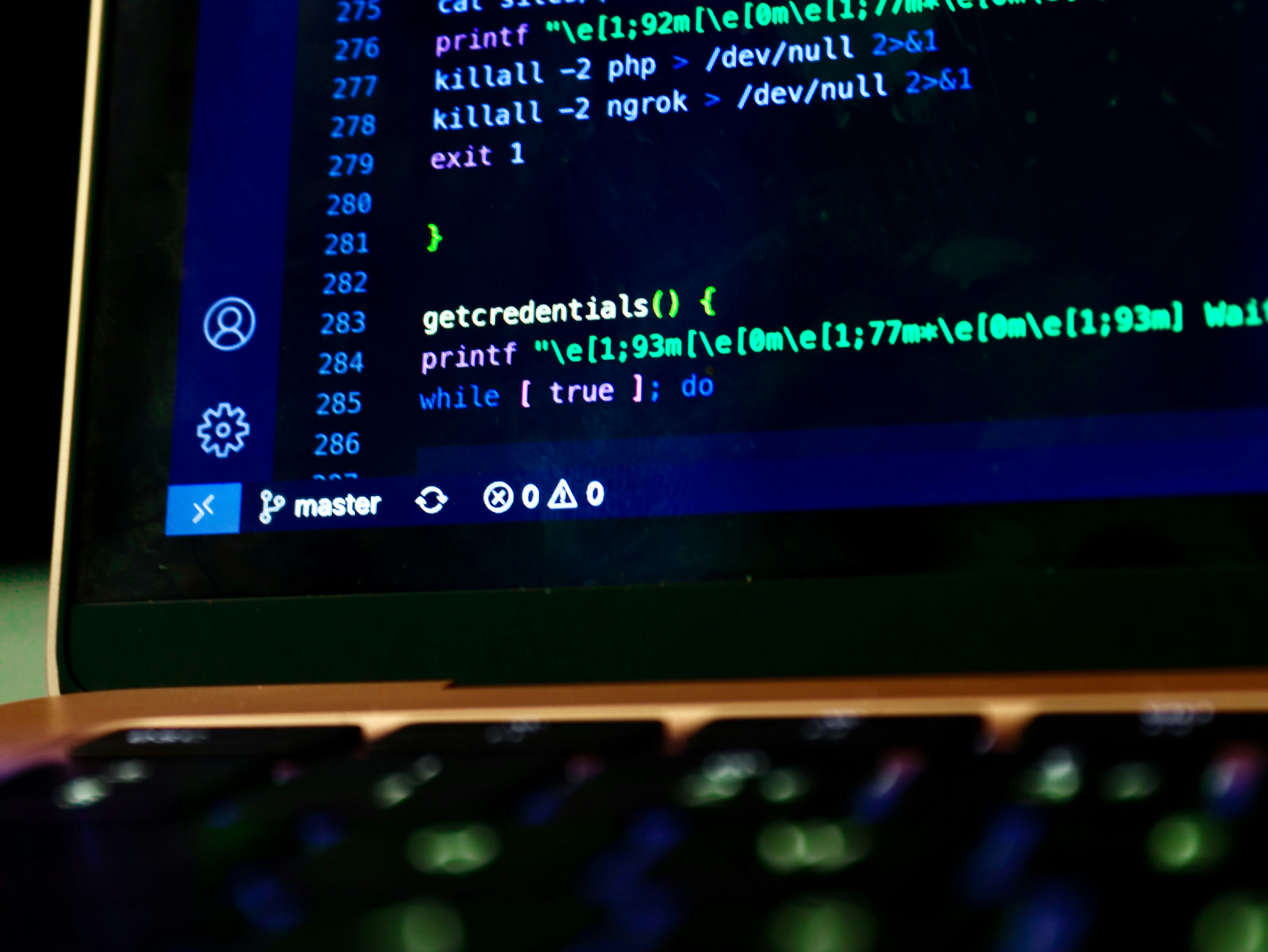
A practical comparison of Python and Java for beginners — covering job market demand, learning curve, salary and use cases.
Introduction
Choosing your first programming language is one of the most important decisions in a developer's journey. In 2026, Python and Java remain the two most debated choices for beginners. Both are powerful, widely used, and have strong job markets — but they serve different purposes.
Python: The Beginner's Best Friend
Python's syntax is clean, readable, and close to plain English. This makes it ideal for beginners who want to focus on problem-solving rather than syntax.
Strengths of Python:
- Easy to learn and read
- Dominant in Data Science, AI/ML, and Automation
- Huge library ecosystem (NumPy, Pandas, TensorFlow)
- Fast prototyping for startups and research
Job Roles: Data Scientist, ML Engineer, Backend Developer, Automation Engineer
Java: The Enterprise Powerhouse
Java has been the backbone of enterprise software for over 25 years. It is verbose but teaches strong programming fundamentals.
Strengths of Java:
- Strong typing teaches good habits
- Dominant in Android development and enterprise applications
- Excellent performance and scalability
- Large talent pool and mature ecosystem
Job Roles: Android Developer, Backend Engineer, Enterprise Software Developer
Salary Comparison in India (2026)
| Role | Python | Java |
|---|---|---|
| Entry Level | ₹4–6 LPA | ₹4–7 LPA |
| Mid Level | ₹10–18 LPA | ₹12–20 LPA |
| Senior Level | ₹25–50 LPA | ₹25–45 LPA |
Verdict: Which Should You Learn First?
Choose Python if you are interested in: Data Science, AI/ML, scripting, or want the fastest path to a working prototype.
Choose Java if you are interested in: Android development, enterprise software, or want a language that enforces strict programming discipline.
For most beginners in 2026, Python is the recommended starting point due to its versatility and the explosive growth of AI/ML roles.